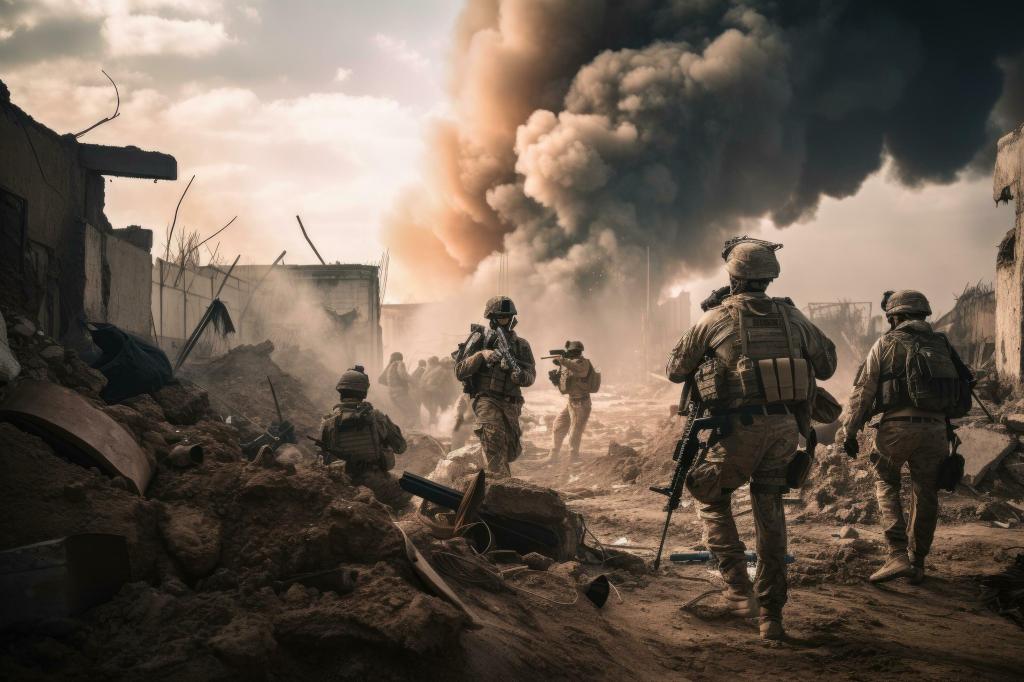
Those of us who have followed Dr Robert Pape’s work, would by now be convinced of all the reasons to expect the upcoming US mid-term elections to be anything but business-as-usual in American politics. Even without his expertise and his so far dazzlingly accurate predictions however, it would be clear to most informed observers the dilemma the US has worked its way into, internationally and internally.
The tendency to tune out the warning signs for the sake of continuing to enjoy what comforts our present positioning may have afforded us, especially in the Caribbean, so hitherto relatively sheltered from the major turbulences of Western geo-political palace intrigue; while understandable, is perhaps no longer prudent. As alluded to in past writings, the titanic is sinking and survival requires alertness of focus and astuteness of action and those who cant be bothered, having already dressed up for the ball anticipating a wonderful evening under the stars, only seal their fate and must consequently summon the courage to die with as much dignity as circumstances may afford.
Having spent most of my adult life intrigued by the connections between religion and politics, and having deeply interrogated both for answers often concealed from the general public, and having come to some general conclusions on what the present moment signifies both for Carribean realities and especially for Christian faith within the region, what fascinates my attention in Pape’s lucid analysis of the options the present US administration has in navigating this self-induced quagmire of the Iran war is what I will call the ‘calculus of war’, which is measured in human death (or to use the more palatable if somewhat morally neutral working terminology, ‘body bags’).
The reason for this keen interest, of course, is that this is the litmus test of the value assigned to human life, the central axiom upon which we predicate all our religious and political ideologies and practices.
Neither Democracy nor Christian faith holds much promise but for their purported espousal of the equally precious value of all human life, beginning with the lives of participants and adherents. When either religious or political ideology or practice become coopted as instruments of war and exploitation, we should expect them to eventually lose popular appeal and support, having lost their compelling moral appeal and authority. War fundamentally changes the normal experience of and expectations from human life.
I highly recommend this interrogation both of faith and national policy for all who intend for their involvement in civic life and religious community to be an excercise in collective human empowerment rather than the means by which what powers we do have in contributing to collective decision-making are manipulated by hostile interests we failed to scrutinize. The acid test for me to determine true from false religion, or democracy from demagoguery is whether and what or whom our religion and politics teaches us to hate (or ‘not like’ for those too sensitive to the starkness of the term). Once hatred is engendered as a matter of religious or political principle, its dehumanizing influence invariably prepares the path for the reign of death to be accepted as normative and justifies the campaign for its acceptance as political necessity or as the will of God.
Were I only concerned with the religious part of the equation, I might have ended here, but I feel compelled to share more of my thoughts perchance I might be understood, because my immediate concern is how Caribbean islands navigate the years that lie ahead, which promise to be turbulent seas for negotiating the survival together we must achieve. Those of us distracted by the promise of American democracy and still unconvinced of the perniciousness of imperial Christianity past and present will miss proper understanding of the exigencies of the moment, having learned no coherent lessons from Cuba, Haiti, Grenada, Venezuela, Iran, Libya, South Africa and yes the good old USA.
The practice of killing, kidnapping or otherwise undermining the leadership of whichever country the US decides is not cooperating with its agenda may indeed be convincing enough reason for the average Caribbean leader to count them our greatest ally if only for pragmatic reasons alone; and this is compelling enough logic, granted our long term interests are alligned with US policy direction. But with a progressively unstable US becoming increasingly insensitive if not nakedly intimidatory to even its longest and strongest allies, we must ensure that we do not allow them to use us more than we find them useful. Our allignments and alliances cannot be unilaterally dictated from outside the region and must be carefully thought through and firmly and sagaciously negotiated. We must find ways of cementing an internal solidarity that does not leave our national and regional politics so brittle as to be easily subverted from outside. Regional doctrination must become an immediate priority for all our educational institutions, from pre-primary to tertiary. Churches, parties, groups and companies that dont share this sacred obligation must be seen as the liabilities they are to our common good and should be treated as such.
So much more should be said, but what is most interesting at this moment for me, is who is saying what, and who chooses at such a time as this to say nothing at all. The older one gets, the more it becomes clear, if one chooses to be aware, things are often not what they appear to be.
Discover more from YeKengalé
Subscribe to get the latest posts sent to your email.

