Unregulated religion wreaks havoc upon human society. We in the Caribbean and the Americas who have also been the victims of regulated religion (organized religion was chiefly responsible for the genocidal obliteration of our indigenous population, the trafficking and enslavement of the majority of our initial labour force and all the social havoc that has created for the present generation to sort out), dont have to be reminded about religion’s enormously abusive potentials. From Jim Jones to Kevin Smith, cultic communities have arisen wielding tremendous capacity to prey on human gullibility, harnessing ignorance to fuel ambition.
None have approached anything near the Anglican and Roman Catholic churches in resultant devastation however (which is saying much considering the absolutely gruesome mass suicide in Guyana, but nothing can be compared to the scale of mayhem of the ‘missionizing‘ consequences occasioned by Anglican and Catholic upon the Amerindian and African). Albeit both churches have admittedley also participated in helping to clean up some of the mess, even if done initially very reluctantly in some cases or in the spirit of arrogance and impunity in others, without full acknowledgement of damages done or admitting responsibility for harms caused; and yes, I suppose it should be also mentioned that of late, a tad statement of apology here, a formal acknowledgement of regret there, and the rarest token of remotest reparative concern by church leadership anywhere at any time should not be totally ignored, however feeble the gestures may be considered in the face of the enormity of crimes committed. They are certainly welcome, to say the least.
But also of late, the conversation about religion’s benefits and banes has heightened, mostly among generations B.G. (before google), as it appears to have crested because it is not even a relevant subject to the AI generation who have largely chosen to ignore entirely much of the preoccupations of their forebears on matters pertaining to God and sex, which they found to be peripheral to the really important aspects of life – money and things … things that flash and wow. This, like many of their forebears from the church, is what commands their attention.
They observed religion, noticed the winners and the losers, recognized the game being played, and decided to dispense with the charade and focus on the prize.
I have consistently focused on alternatives being presented the Western Model by the African paradigm. In The Politics of Religion I broached the sticky issue of regulation. I continue that exploration here with this question, particularly to Caribbean seminarians and clerics, and of course the man and woman in the street or on the corner, whose opinions probably matter most.
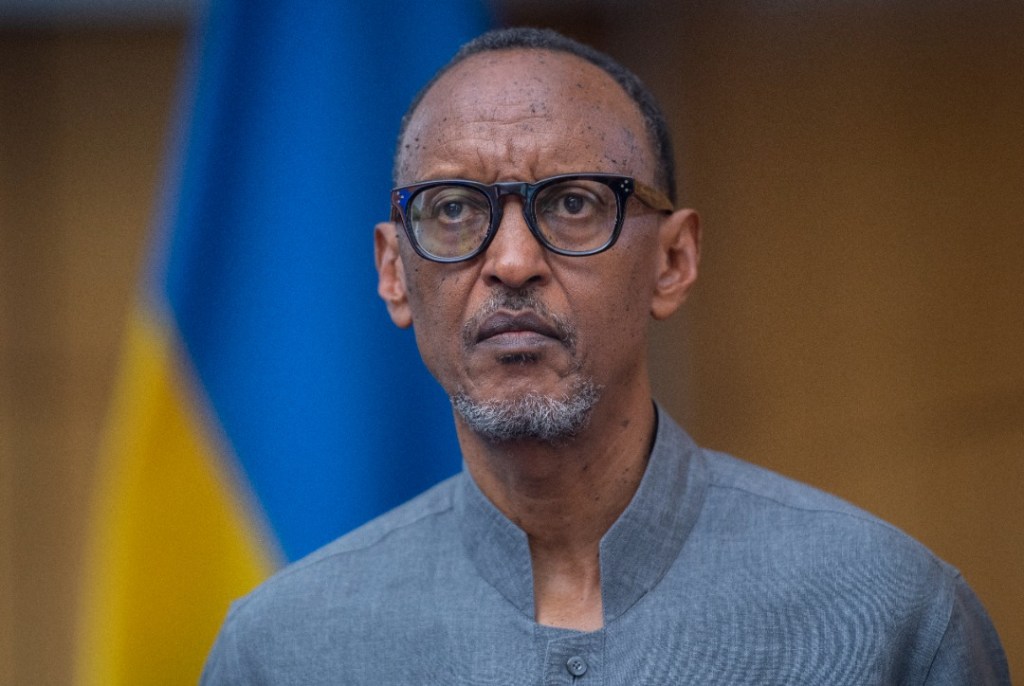
Is Kagame to be commended or condemned?
and why? which should be most telling.
Paul Kagame shut down over 6,000 churches and 100 mosques. Then he said the quiet part out loud.
He didn’t ban faith. He made it a regulated industry. The 2018 law requires every preacher to hold a theology degree. Every church must submit annual action plans aligned with “national values.” Every donation must pass through a registered bank account. Cash collections during services? Prohibited.
Kagame’s logic is simple. If you want to run a church, you need credentials. Like a doctor. Like a lawyer. Like anyone else handling money and trust.
He told a press briefing he wouldn’t reopen a single church. “Many are just thieving… some churches are just a den of bandits.” He told Rwandans to farm, raise cattle, pray on their phones.
The number of churches in Kigali alone shocked him. 700 in the capital. “I don’t think we have as many boreholes. Do we even have as many factories?”
Here’s what makes this viral. Kagame is not attacking Christianity. He is attacking the business model that turned faith into an extraction economy. Pastors who collected tithes, built personal empires, and left congregants with nothing but promises. He called out the fraud that anyone who has sat in a Nigerian or Kenyan church knows intimately.
But the power to decide which faith is legitimate is not a small thing. The theology degree requirement sounds reasonable until you ask: who accredits the theology? The 2018 law also requires churches to align with “national values.” That is a political standard, not a spiritual one.
A church leader in Kigali, speaking anonymously, said Kagame’s “open disdain and disgust” for churches “spells tough times ahead.” Another pastor said it plainly: “It is unfair that even those that fulfilled all requirements are still closed.”
Kagame’s argument has force. Fraud is real. Exploitation is real. But when the state decides what qualifies as a church, the line between protection and control disappears.
He didn’t close churches to stop people from praying. He closed them to stop people from being robbed in God’s name. Whether that’s protection or something else depends on who you ask.
original article (as far as I can tell) by Owairezioghene Ubuara Jasper

